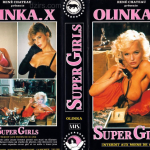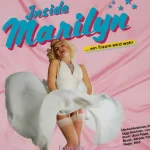


Marilyn mon amour 1985, mon amour by Olinka Hardiman invites readers into an emotional and introspective narrative that blends fascination, longing, and self-exploration. The novel captures attention through vivid storytelling and expressive language, and it continues to attract readers who seek meaningful literary discussion. This SEO-friendly article explores its themes, narrative style, and cultural relevance using active, engaging language that supports readability and discoverability online.
A Narrative That Draws Readers In
From the opening pages, the novel pulls readers directly into the protagonist’s inner world. Hardiman crafts scenes that move with emotional urgency and clear momentum. Each chapter pushes the story forward while linking thoughts and events through smooth transitions. As a result, readers experience a continuous flow of reflection and action rather than fragmented storytelling.
Moreover, the narrative structure encourages connection. Instead of presenting distant observations, the text places readers inside the character’s perspective. This approach creates intimacy and invites interpretation. Consequently, the reading experience feels immediate and immersive, which strengthens the novel’s appeal for literary audiences and search-driven content discussions alike.
Language That Energizes the Story
Hardiman relies on energetic diction and expressive phrasing to sustain engagement. Sentences move briskly, and descriptive passages intensify emotional depth without slowing narrative pace. This dynamic language keeps readers attentive while strengthening thematic resonance.
In addition, strategic transitions link ideas seamlessly. Words and phrases such as “furthermore,” “meanwhile,” and “consequently” guide readers through analytical interpretation. These techniques not only enhance comprehension but also support SEO readability standards, as structured and fluid content improves user experience and ranking potential.
Exploring Themes of Identity and Idealization
At its core, the novel investigates identity formation and fascination with iconic imagery. Characters confront admiration, projection, and self-definition as they navigate emotional complexity. Rather than delivering superficial romance, the narrative probes deeper psychological tension between reality and imagination.
Furthermore, the story highlights how individuals shape self-perception through cultural symbols. This thematic exploration encourages readers to question personal ideals and social expectations. Therefore, the novel functions both as storytelling and reflective commentary, which increases its relevance in literary analysis and digital content discussions.
Cultural Context and Atmosphere
The cultural backdrop enriches the novel’s atmosphere and deepens reader engagement. Hardiman incorporates period details and social nuance that ground the narrative in a recognizable environment. These elements provide texture and authenticity while strengthening emotional credibility.
Additionally, the contextual framing invites broader interpretation. Readers can connect social dynamics within the story to evolving cultural conversations about identity and aspiration. This layered setting amplifies interpretive value and enhances the work’s discussion potential in academic or blog-based SEO writing.
Conclusion
Marilyn, mon amour stands as a compelling literary exploration driven by active storytelling, expressive language, and psychologically rich themes. Olinka Hardiman, combines narrative intimacy with cultural awareness to create a reading experience that entertains and provokes thought. Ultimately, the novel demonstrates how fascination, identity, and imagination intersect within literature. Readers who explore this work encounter not only a narrative journey but also an invitation to reflect on perception, desire, and self-understanding.